Motorola Edge 70 Max review
Verdict
In-depth review of the Motorola Edge 70 Max
Introduction and unboxing
Introduction and specs
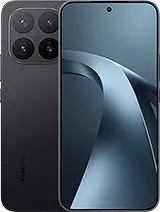
As we are expecting the Motorola Edge 70 Ultra, the top-end device from the Edge 70 family, the company dropped a brand-new Max model. The Motorola Edge 70 Max is the first of its kind, as previous Edge generations stopped at Pro. However, the Max isn't supposed to be the flagship model from the series. It will likely slot in between the Pro and the still-unannounced Ultra.
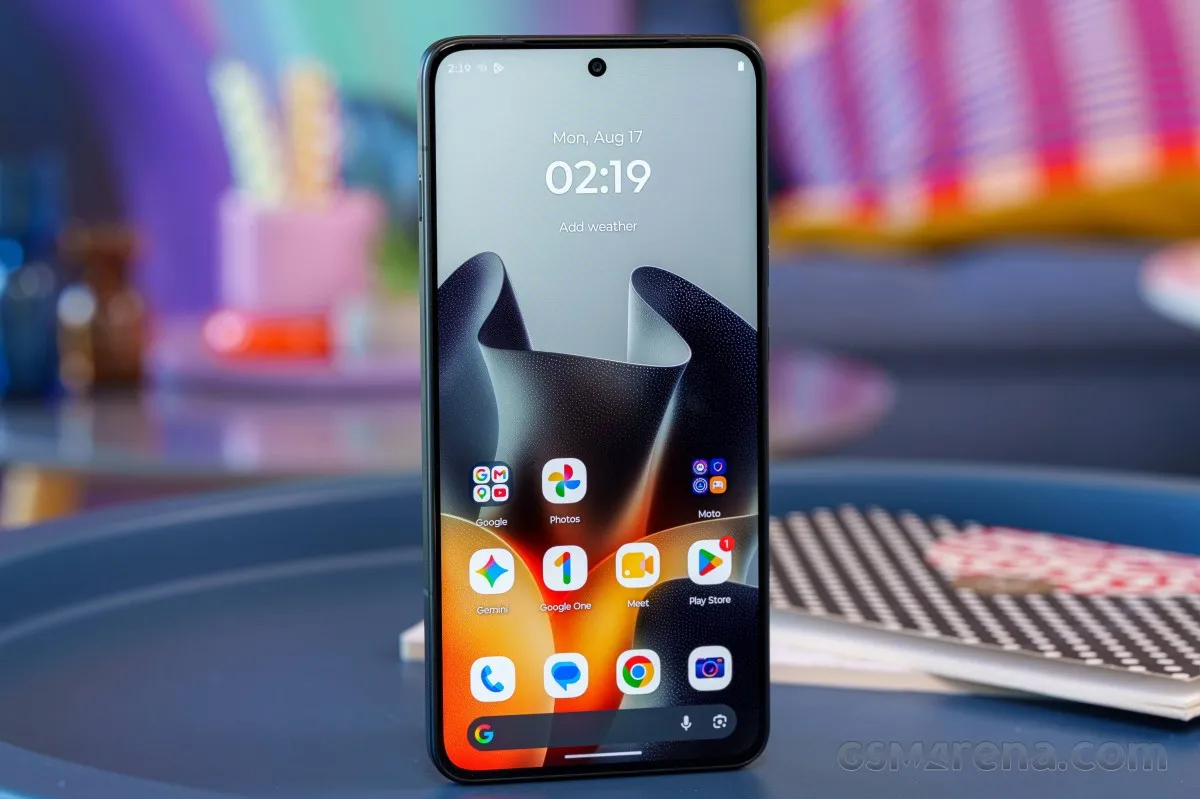
It has a flagship-grade 6.82-inch LTPO OLED display with a 144Hz refresh rate, while the rest of the Edge 70 phones settle for regular LTPS displays. The Max is also powered by the Snapdragon 8 Gen 5, making it the most powerful device in the series.
Motorola Edge 70 Max specs at a glance:
- Body: 164.0x77.0x8.3mm, 221g; Glass front (Gorilla Glass 7i), aluminum frame, glass back (Gorilla Glass 7i); IP68/IP69 dust tight and water resistant (high pressure water jets; immersible up to 1.5m for 30 min), MIL-STD-810H compliant.
- Display: 6.82" LTPO AMOLED, 1B colors, 144Hz, PWM, HDR10+, 7000 nits (peak), 1440x3168px resolution, 19.8:9 aspect ratio, 510ppi.
- Chipset: Qualcomm SM8845 Snapdragon 8 Gen 5 (3 nm).
- Memory: 256GB 8GB RAM, 256GB 12GB RAM; UFS 4.1.
- OS/Software: Android 16, up to 3 major OS updates.
- Rear camera: Wide (main): 50 MP, f/1.8, 1/1.56", 1.0µm, dual-pixel PDAF, OIS; Ultra wide angle: 8 MP, f/2.2, 119˚, 1/4.0", 1.12µm, AF; Depth: Auxiliary lens.
- Front camera: 32 MP, f/2.2, 22mm (wide), 0.7µm.
- Video capture: Rear camera: 4K@30/60fps HDR10+, 1080p@30/60/120/240fps, gyro-EIS; Front camera: Yes.
- Battery: 7100mAh; 90W wired, 50% in 21 min, 100% in 51 min, 25W wireless (magnetic), Qi2.2, 50% in 39 min, 100% in 85 min, 5W reverse wired.
- Connectivity: 5G; eSIM; Wi-Fi 7; BT 6.0; NFC.
- Misc: Fingerprint reader (under display, optical); stereo speakers (with Dolby Atmos).
The handset also boasts a huge 7,100 mAh battery, which will likely outlast the rest of the Edge 70 phones with smaller batteries. Interestingly, it's the only one from the lineup supporting magnetic wireless charging over Qi2.2.
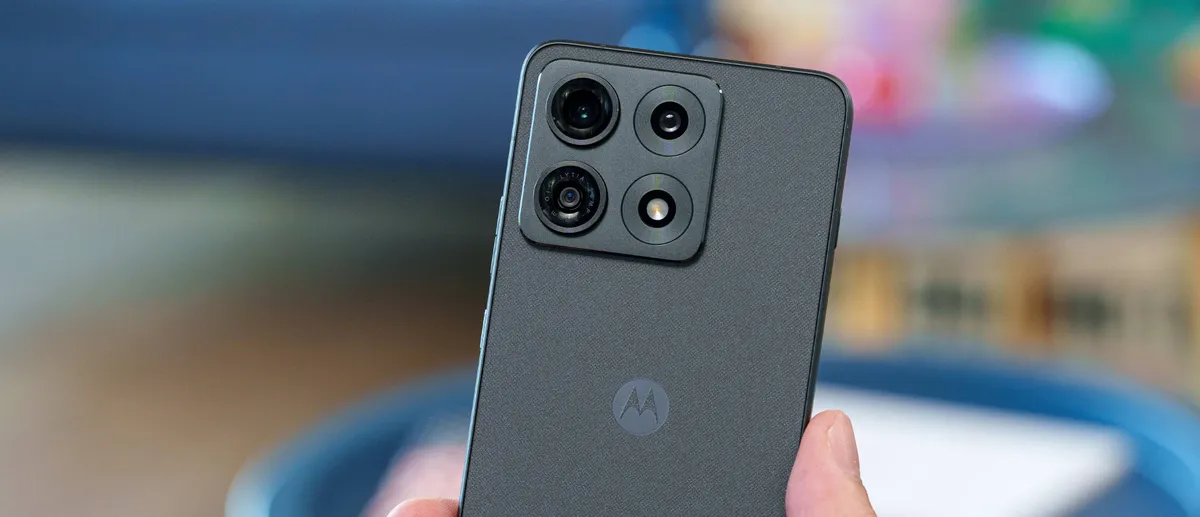
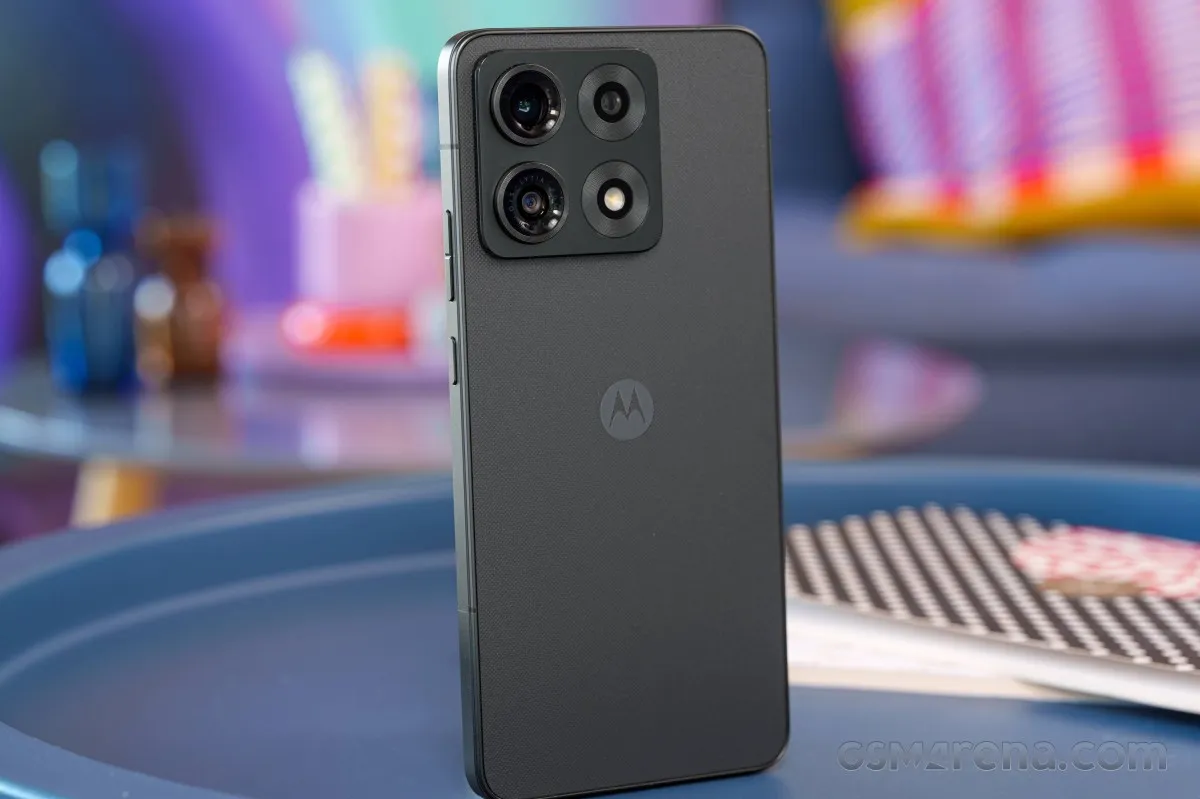
When it comes to the cameras, the Edge 70 Max offers the bare minimum - 50MP main shooter flanked by an 8MP ultrawide camera. So in a way, Motorola decided to make a powerful phone without the "fluff", in case your camera usage boils down to just taking a few pictures of documents or your cat at home. Engineers used the extra space to cram in the 7,100 mAh cell, most likely.
So the question is whether the powerful chipset and the big battery will be enough to convince potential buyers, or whether the lower-tier Motorola Edge 70 phones with nicer cameras and slower chipsets make more sense? Let's find out.
Unboxing the Motorola Edge 70 Max
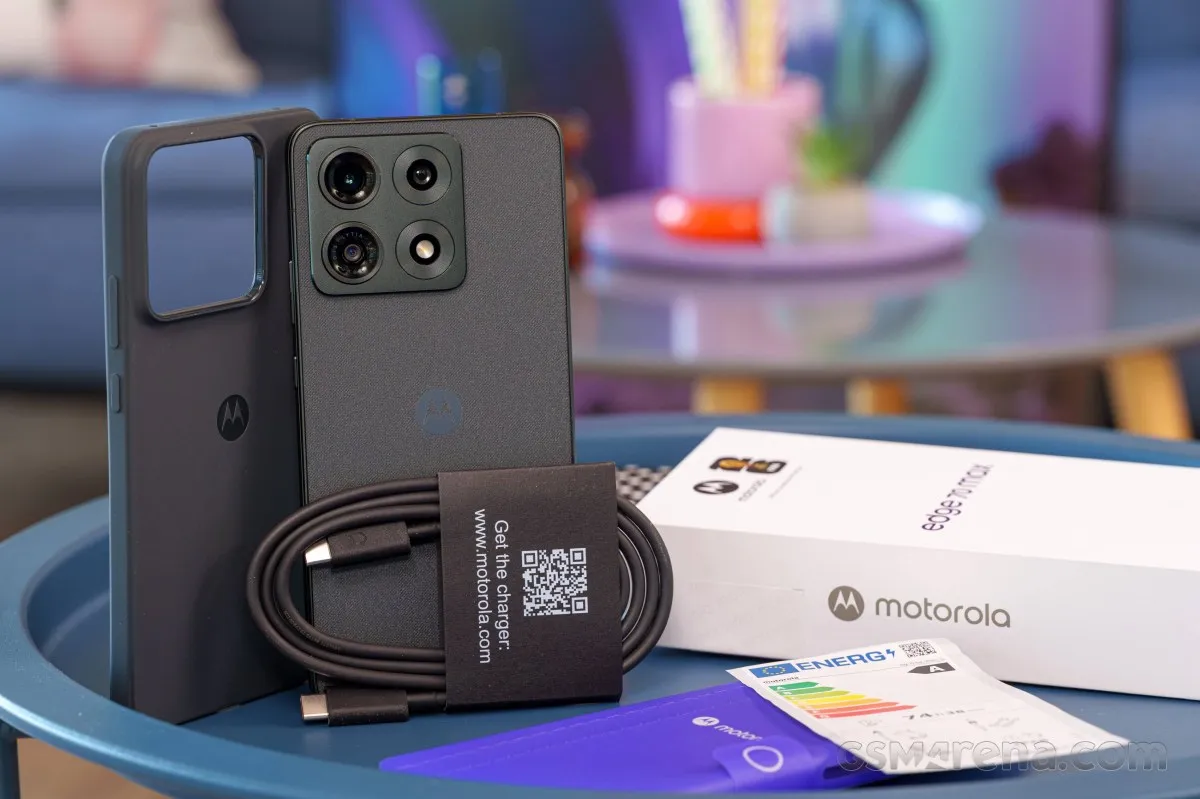
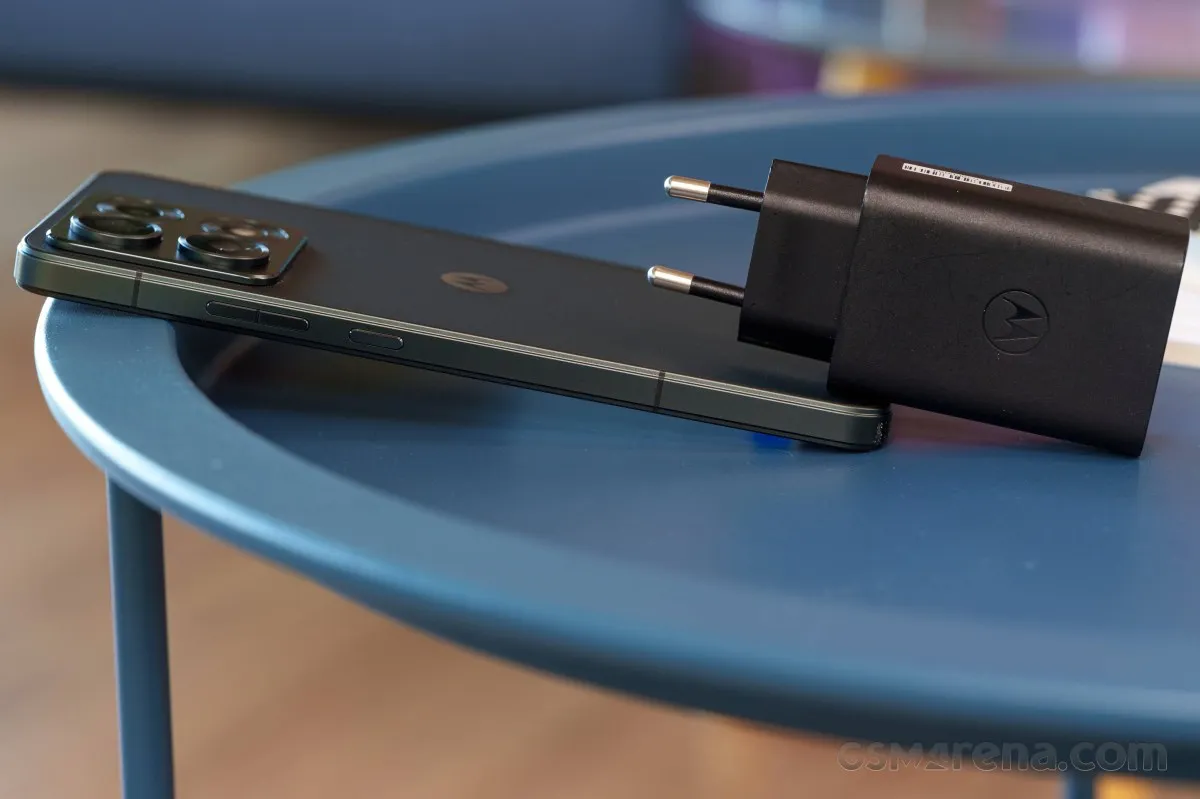
The Motorola Edge 70 Max came with just a USB-C to USB-C cable inside alongside the usual user manuals. This is a European unit, mind you, so other regions might be luckier and get a compatible charger.
Design, build, handling
Design and build
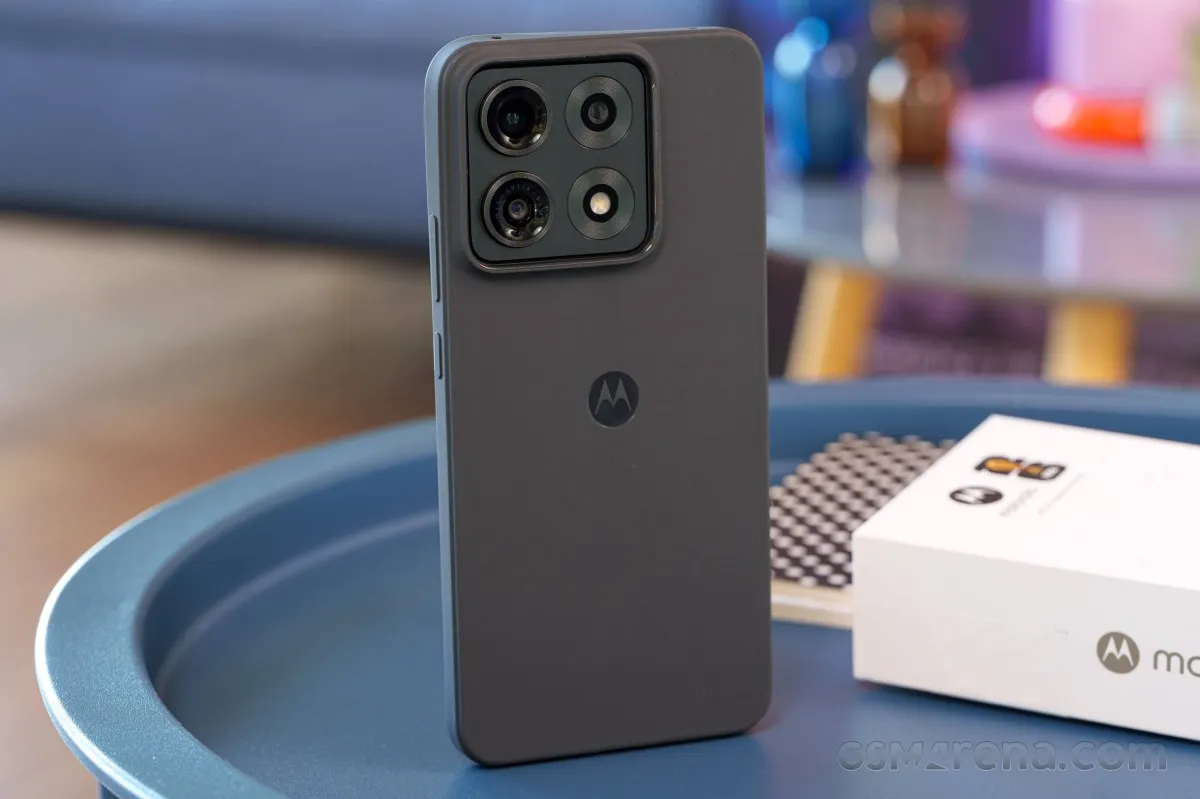
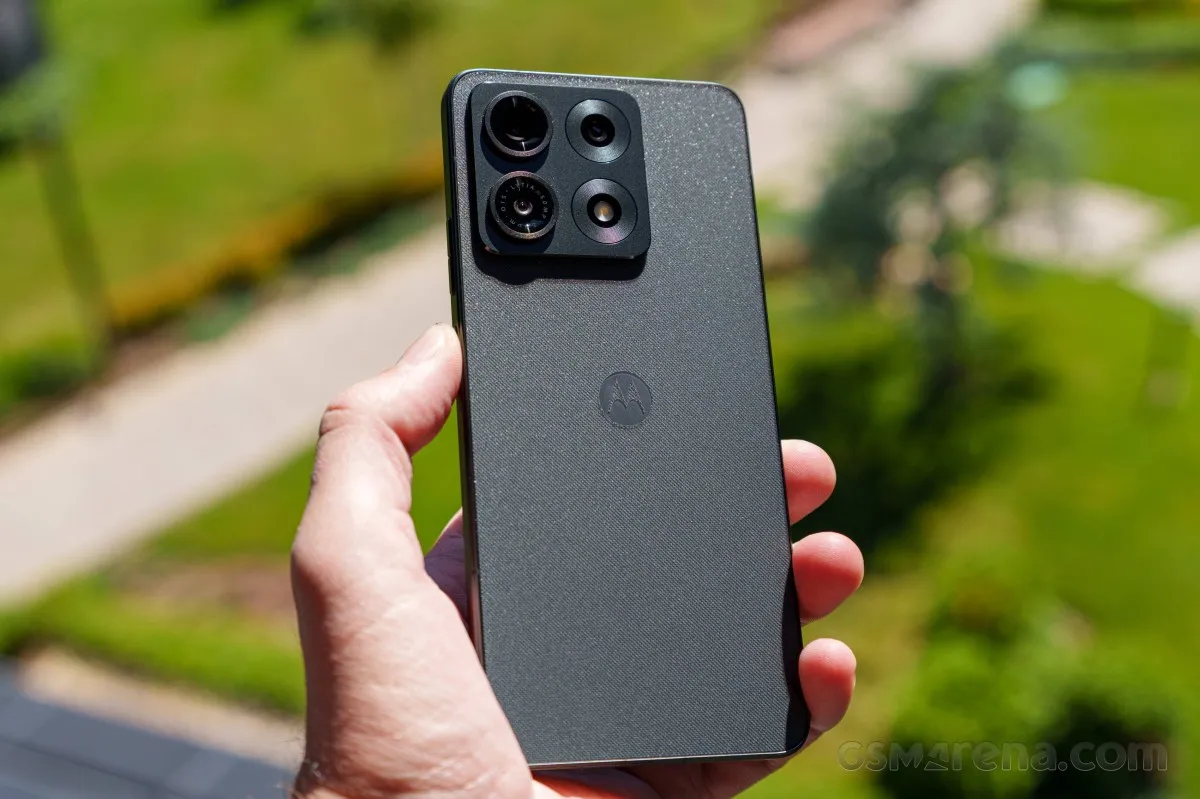
The Motorola Edge 70 Max design is in line with the rest of the Edge 70 family members, at least when it comes to the overall appearance. We've got flat sides and back, and a square camera island with oval corners. Nothing out of the ordinary.
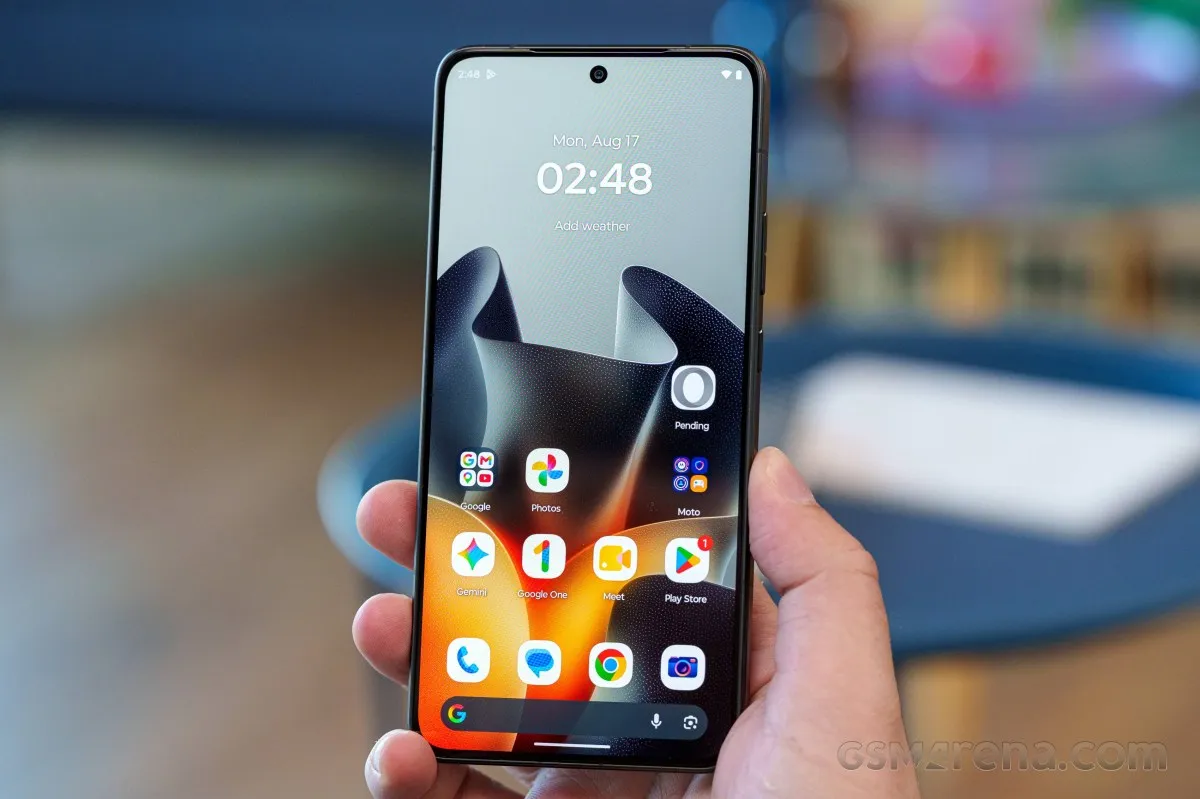
However, what sets the Max apart is the back material. It's no longer eco leather anymore - it's glass. More specifically, Gorilla Glass 7i - the same protective sheet used for the front panel. The sides are aluminum with an anodized, matte finish.
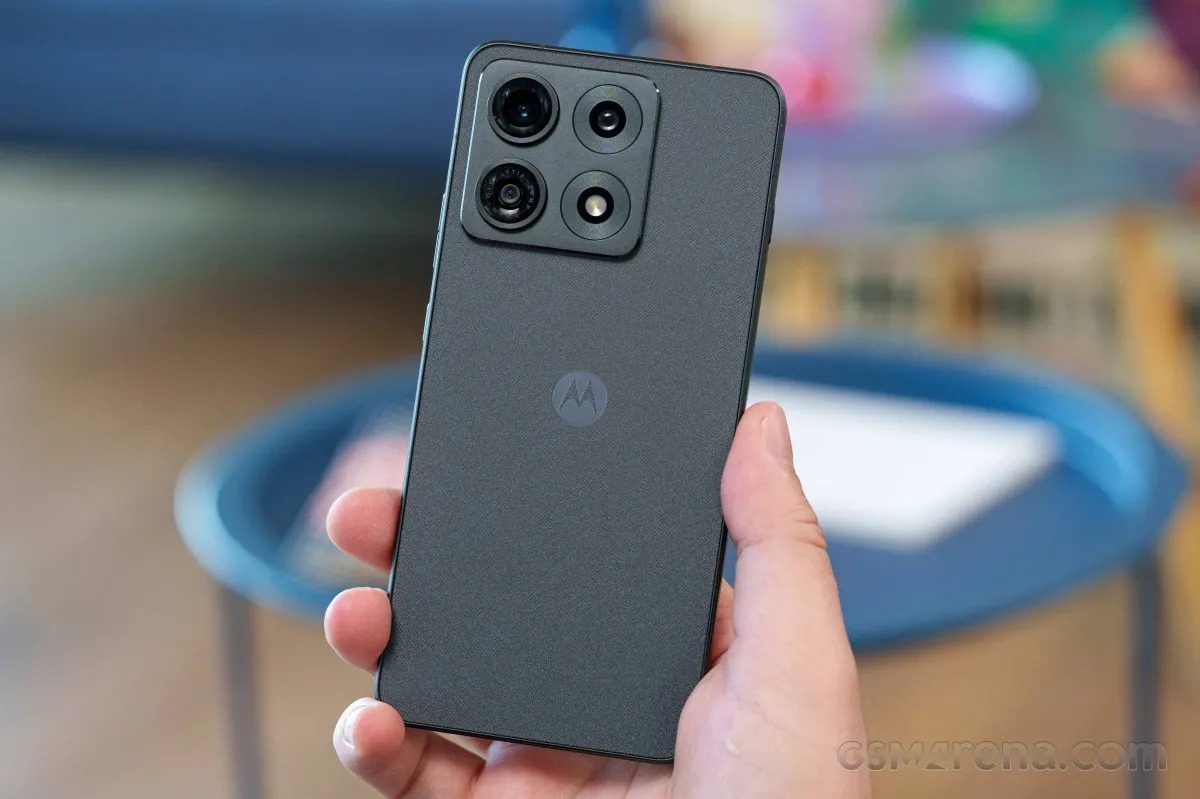
The device feels solid in the hand, maybe even a bit hefty, tipping the scales at 221 grams, and it's quite slippery. Unlike the vegan leather that provides good grip, the frosted glass back is quite smooth and slippery. At least it feels premium.
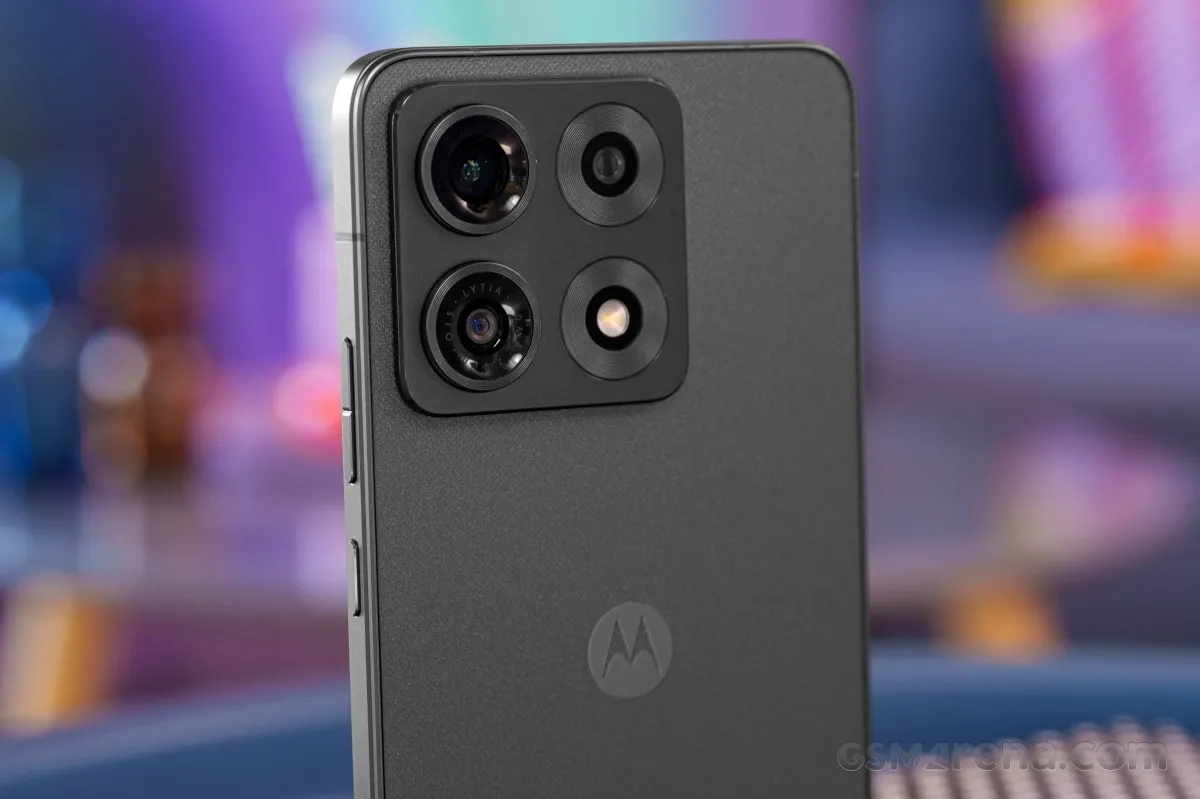
It's also supposed to be very tough, too. The Edge 70 Max boasts several certifications against harsh conditions. It has an IP68/IP69 ingress protection and complies with the MIL-STD-810H military-grade standard.
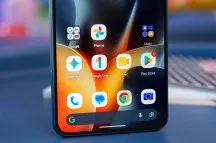
Motorola uses PANTONE colors as expected. You can get it in Aqua Grey, Dark Shadow or Ice Melt. In some regions, you might find them as Glacier Blue, Onyx Black and Sage Green instead.
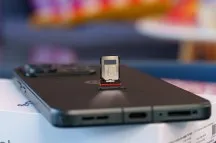
Going around the sides, we find nothing all that exciting, except for the dedicated Moto AI key that other Motorola phones have. The bottom is where you will find the SIM card tray. It can hold up to two physical SIM cards, but also supports eSIM. Only two cards can be active at once.
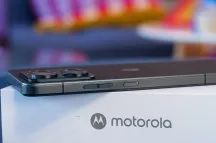
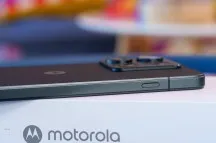
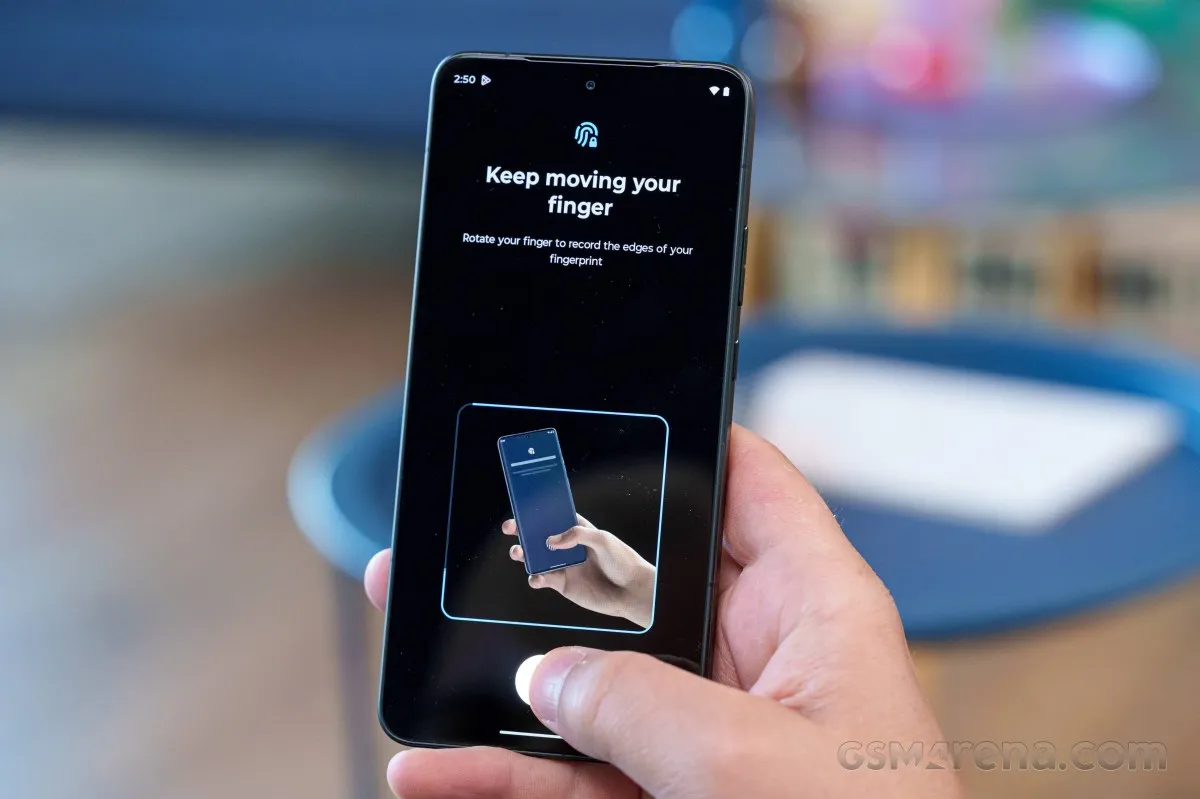
The fingerprint reader is a regular optical one, but works well. We had no issues as it was fast, reliable and responsive. We only wish it was placed a little bit higher up the screen.
Lab tests - display, battery life, charging speed, speakers
6.82-inch, 144Hz LTPO display
The Motorola Edge 70 Max features a 6.8-inch LTPO OLED panel with 1440 x 3168px resolution, ticking at up to 144Hz refresh rate. It also supports 10-bit color depth and high-frequency PWM for people with sensitive eyes.
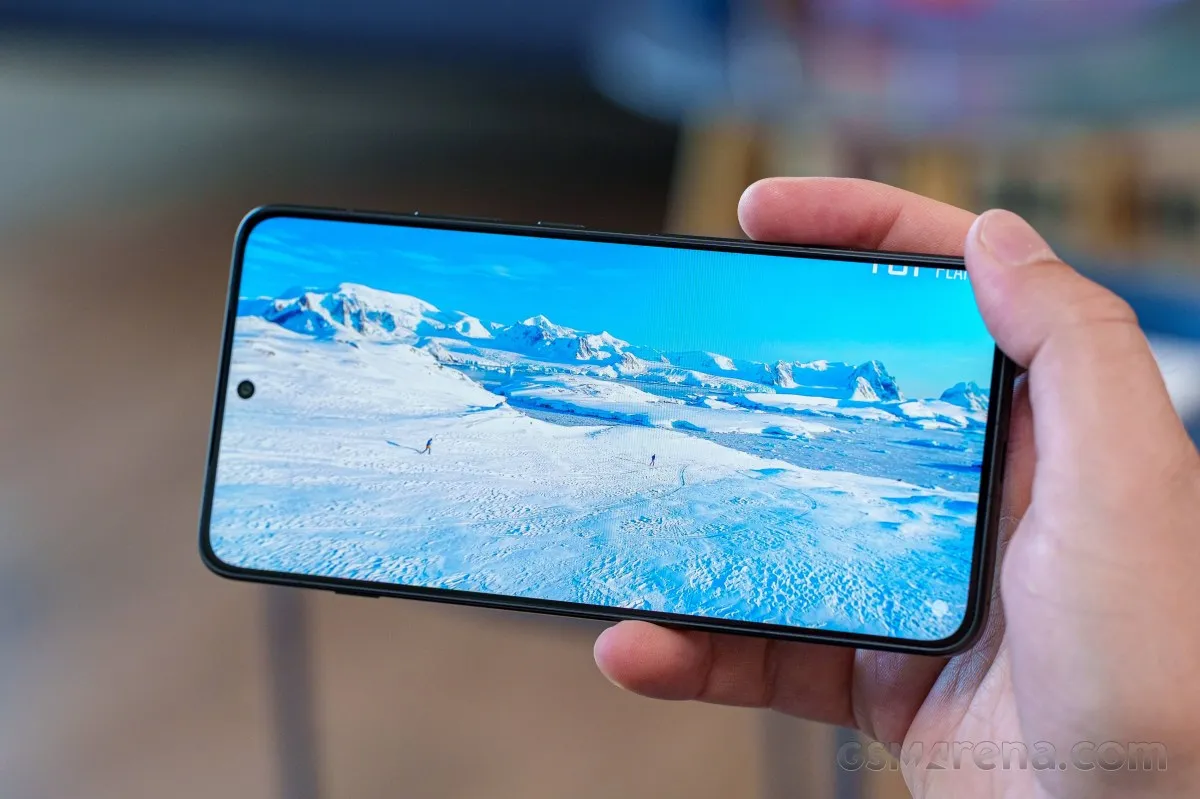
The HDR capabilities are not necessarily impressive - only HDR10+ is supported, but no sign of Dolby Vision. You can still watch HDR content on platforms like Netflix and YouTube, though.
When it comes to brightness, the display performs well. It's able to reach almost 1,600 nits peak brightness on a white patch that takes up 75% of the screen and over 4,000 nits on a 10% white surface (but only when triggered by HDR Video).
Max display brightness test
White test pattern (nits)
- Manual (75% fill)
- Auto (75% fill)
- Peak Auto (10% fill)
 Pixel 10
 Motorola Edge 70 Pro
 Honor 600 Pro
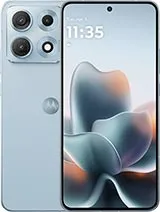 Motorola Edge 70 Max
 Galaxy S26
 Poco X8 Pro Max
 Xiaomi 17T Pro
The minimum recorded brightness is 2 nits, which is a bit higher than some would like in a pitch-black room.
Refresh rate
The display settings offer three settings: Smart & balanced, Hyper smooth and Efficiency first. The first one is the default setting, and since it's an LTPO OLED panel, the system dials down to 1Hz when the screen is idle. The phone also plays well with 24fps and 30fps videos on YouTube and matches the refresh rate with the frame rate of the videos.
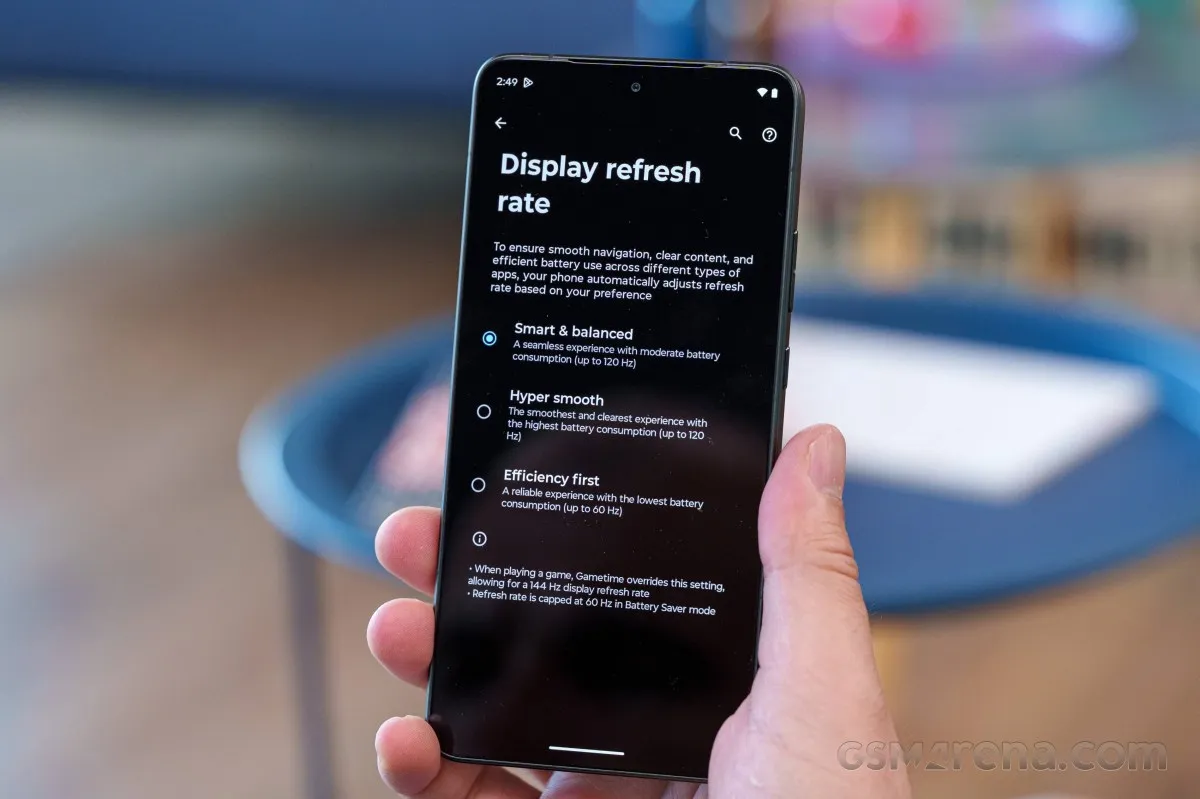
However, we had a few issues with the refresh rate handling. For starters, 144Hz is only available in certain gaming titles that support high refresh rate gaming. Also, Chrome runs at 90Hz out of the box along with other apps, so if you are looking to maximize your screen experience, use the Hyper smooth display mode as it acts exactly like the default mode, except it prioritizes 120Hz where possible.
Battery life
One of Edge 70 Max's standout features is the large battery. It's rated at 7,100 mAh, which one or two years ago would have been considered "generous", but it's actually par for the course in 2026. Still, battery life is more than solid.
The device posted excellent screen-on runtimes as well as a solid 4G call score. And overall, the device earned an Active Use Score of 19:28h. It's an excellent battery life score, but the call time could be better.
Charging speed
The Motorola Edge 70 Max supports 90W TurboCharge, which is another way of saying Power Delivery, so even if you don't get a genuine Motorola charger, you can still achieve maximum charging speed using a third-party charger with the appropriate PPS profile. The handset also gets 25W wireless charging over Qi2.2 with support for the so-called Magnetic Power Profile (MPP), meaning you can pair the device with magnetic charging accessories without the need for a special case.
When it comes to charging speed, it's not necessarily impressive, but the 70 Max is no slouch either. A 1-100% charging cycle is a few minutes short of an hour, while the first 30 minutes of charging will get you more than halfway there. While there are other phones with faster charging, the charging speed here is still competitive.
Charging speed
- in 15 min
- in 30 min
- Time to full charge (from 0%)
Motorola Edge 70 Pro
Xiaomi 17T Pro
Honor 600 Pro
Poco X8 Pro Max
Motorola Edge 70 Max
Galaxy S26
Pixel 10
In case you are looking for some battery-saving features that will extend the life cycle of the cells, Motorola has a few. In addition to Smart charging, which learns your usage habits and ramps up the charging power when needed, you can also disable fast charging entirely.
You can also set a custom hard cap on the battery capacity that gets charged, and you can adjust it according to the time of day, which is not an option you see every day.
Speakers
The Motorola Edge 70 Max carries a set of hybrid stereo speakers, which means there's one full-fledged speaker at the bottom and one that also acts as an earpiece at the top. Naturally, the bottom one is slightly louder and has more pronounced bass, which is par for the course.
Loudness-wise, the speakers are just about average in this price bracket. They scored -25.3 LUFS, which is "Very Good", but leaves more to be desired when it comes to tuning. Although the overall sound quality is good with clean vocals and highs, the bass appears to be lacking. Music tracks sound flat in comparison to other phones.
Use the Playback controls to listen to the phone sample recordings (best use headphones). We measure the average loudness of the speakers in LUFS. A lower absolute value means a louder sound. A look at the frequency response chart will tell you how far off the ideal "0db" flat line is the reproduction of the bass, treble, and mid frequencies. You can add more phones to compare how they differ. The scores and ratings are not comparable with our older loudspeaker test. Learn more about how we test here.
Software and performance
Hello UI and Android 16
The Motorola Edge 70 Max runs on Motorola's own take on Android called Hello UI. The underlying Android version is 16. You can expect 3 major OS updates and 5 years of security patches.
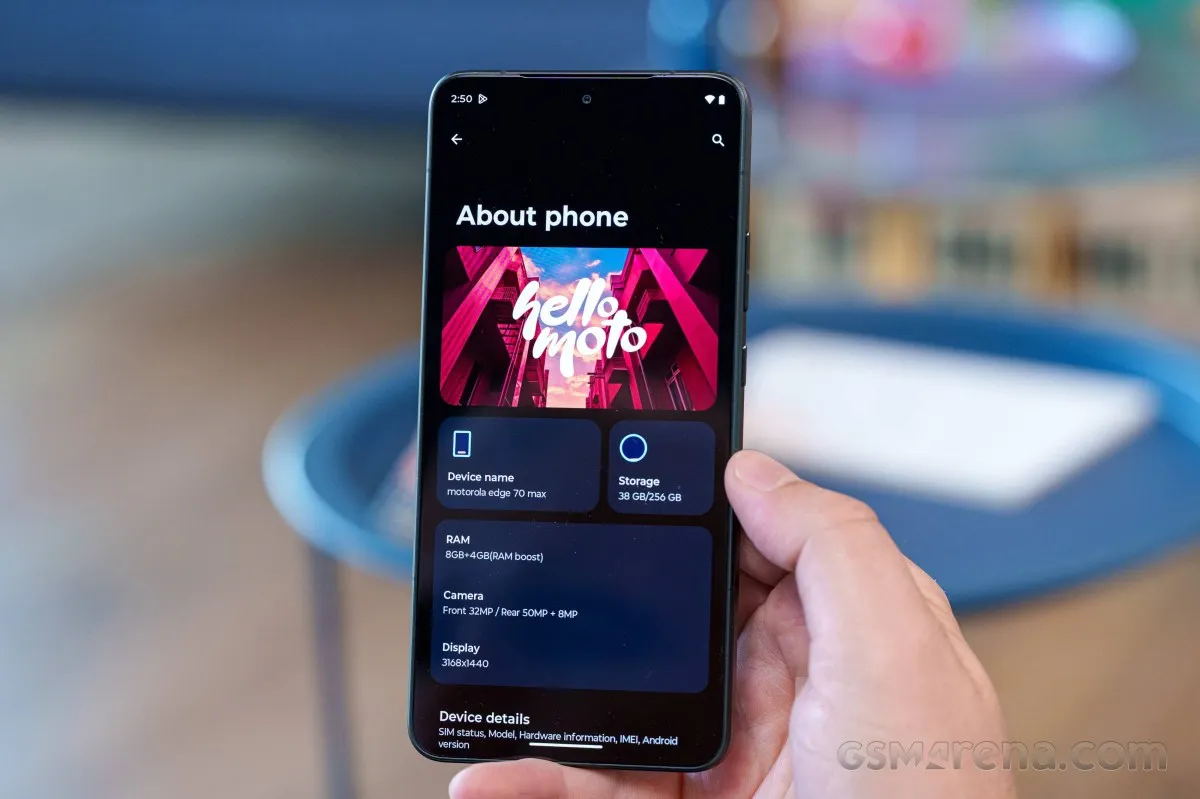
Motorola continues to offer one of the cleanest Android experiences around. Hello UI stays close to stock Android in both looks and behavior, while adding a steadily growing set of proprietary features and customizations. Fortunately, these are generally well thought out and genuinely useful, enhancing the experience without making the software feel bloated or overcomplicated.
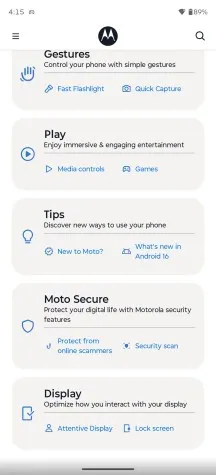
The custom Motorola typeface helps give the UI a distinct identity despite its otherwise familiar Android look. Meanwhile, the extra software features are neatly grouped inside the Moto app, which Motorola refreshed not too long ago with a cleaner layout and improved navigation. Sections packed with options, such as Gestures, are now organized more efficiently, making it easier to access everything from a single screen.
Smart Connect remains Motorola's all-in-one solution for cross-device connectivity. It brings together features like phone-to-PC integration, wireless display casting, desktop mode, file transfers, clipboard syncing, and device control under a single, unified interface. Whether you're connecting to a PC, tablet, or external display over a cable or wirelessly, everything is managed from the same place. Since Android 15, Motorola has also added AI-powered voice commands to Smart Connect, making the experience even more seamless.

One limitation worth pointing out is that, despite offering the full Smart Connect suite and wireless display casting, the Edge 70 Max does not support native wired display output over its USB-C port. It can't drive an external monitor via a simple USB-C-to-HDMI adapter.
Google Gemini comes preinstalled, but Motorola complements it with its own AI assistant called Motorola Qira. It was previously known as Moto AI, but Motorola has updated some of its devices, including the Edge 70 Max, with the Qira.
The new assistant doesn't just bring a name change, it also offers expanded functionality. Deeply integrated into the system, Qira is designed to be readily accessible at all times. A dedicated Qira Prompt Bar (also known as Lenovo Prompt Bar on Windows) is permanently available in the app drawer and across various screens. At the same time, a double tap on the back of the phone or the dedicated Moto AI key can invoke the assistant from virtually anywhere in the interface.
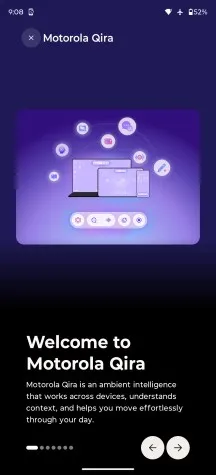

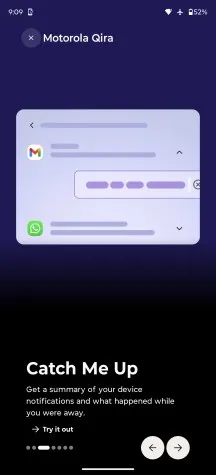
Qira supports a wide range of features, including device-specific actions and contextual assistance. It can summarize notifications, record and transcribe conversations, generate summaries of on-screen content, and save useful information as screenshots, photos, or text notes for later reference. It also includes image generation capabilities, letting users create visuals from simple text prompts. It can even stay ahead of your schedule by knowing what you are doing right now and suggest actions such as a relevant calendar entry, record and transcribe a meeting, etc.

A cool thing about Qira is that it provides a sense of continuity. The assistant is present not only on your Android phone or tablet, but also on your Windows PC. As we said earlier, it's called Lenovo Prompt Bar on Windows and provides basically the same functionality as the Qira Prompt Bar on the phone. So you start off work on the PC and pick up where you left off on your phone, as all files, notes and recordings you saved are synced.


Benchmark performance
The Motorola Edge 70 Max utilizes the Snapdragon 8 Gen 5 (3nm) chip, the second-best Qualcomm SoC after the Elite Gen 5.
The Snapdragon 8 Gen 5 makes some downgrades from the 8 Elite Gen 5. For starters, while the CPU cores have the same 2+6 structure, the Prime cores are clocked 17%+ lower, and the performance cores are clocked 8%+ lower.
The Adreno 829 GPU is a slightly higher clocked version of the Adreno 825 found on the Snapdragon 8s Gen 4 and nowhere close to the Adreno 840 on the 8 Elite Gen 5 in terms of compute units or graphics memory.
Finally, this chip also gets slower memory compared to the Elite, and the cellular modem is downgraded a bit too.
As far as memory is concerned, the 70 Max arrives in 8GB/256GB and 12GB/256GB configurations, which is rather odd. There's no option to get higher storage, only 256GB, which in 2026 might not be enough for some. At least the storage is fast - UFS 4.1.
GeekBench 6
- Single-core
- Multi-core
Xiaomi 17T Pro
Galaxy S26
Honor 600 Pro
Motorola Edge 70 Max
Poco X8 Pro Max
Pixel 10
Motorola Edge 70 Pro
AnTuTu 11
Xiaomi 17T Pro
Galaxy S26
Motorola Edge 70 Max
Poco X8 Pro Max
Honor 600 Pro
Motorola Edge 70 Pro
Pixel 10
3DMark
- Wild Life Extreme (Highest)
- Wild Life Extreme (Lowest)
- Solar Bay (Ray Tracing)
Galaxy S26
Xiaomi 17T Pro
Poco X8 Pro Max
Motorola Edge 70 Max
Honor 600 Pro
Motorola Edge 70 Pro
Pixel 10
The benchmark results show good CPU and GPU utilization and in this price range, the Edge 70 Max's Snapdragon 8 Gen 5 seems to be very competitive. Motorola's overall performance is above average for its class, falling short only to the Dimensity 9500/9500s chipsets in most scenarios. The similarly-priced Exynos 2600-equipped Samsung Galaxy S26 tops the charts, but that's expected.
All in all, the Edge 70 Max offers a good price-to-performance ratio compared to most, but what about sustained performance?
Sustained performance
Although not a flagship chipset, the Snapdragon 8 Gen 5 is a powerful piece of hardware, so it's no surprise that the Edge 70 Max struggles to maintain high performance during long and demanding workloads.
However, heavy throttling occurred about 10 minutes into the CPU stress test, and the system barely maintained about half of the CPU's theoretical performance. The GPU stress test was quite decent, showing 70% stability.
Camera - photo and video quality
Decent results from unimpressive hardware
The Motorola Edge 70 Max's top priorities didn't include the camera system, and the hardware you'll find there is relatively unremarkable. The main camera is solid midrange material, no complaints there, but the lack of a telephoto and the fairly basic ultrawide are at least a little bit at odds with the phone's price tag.
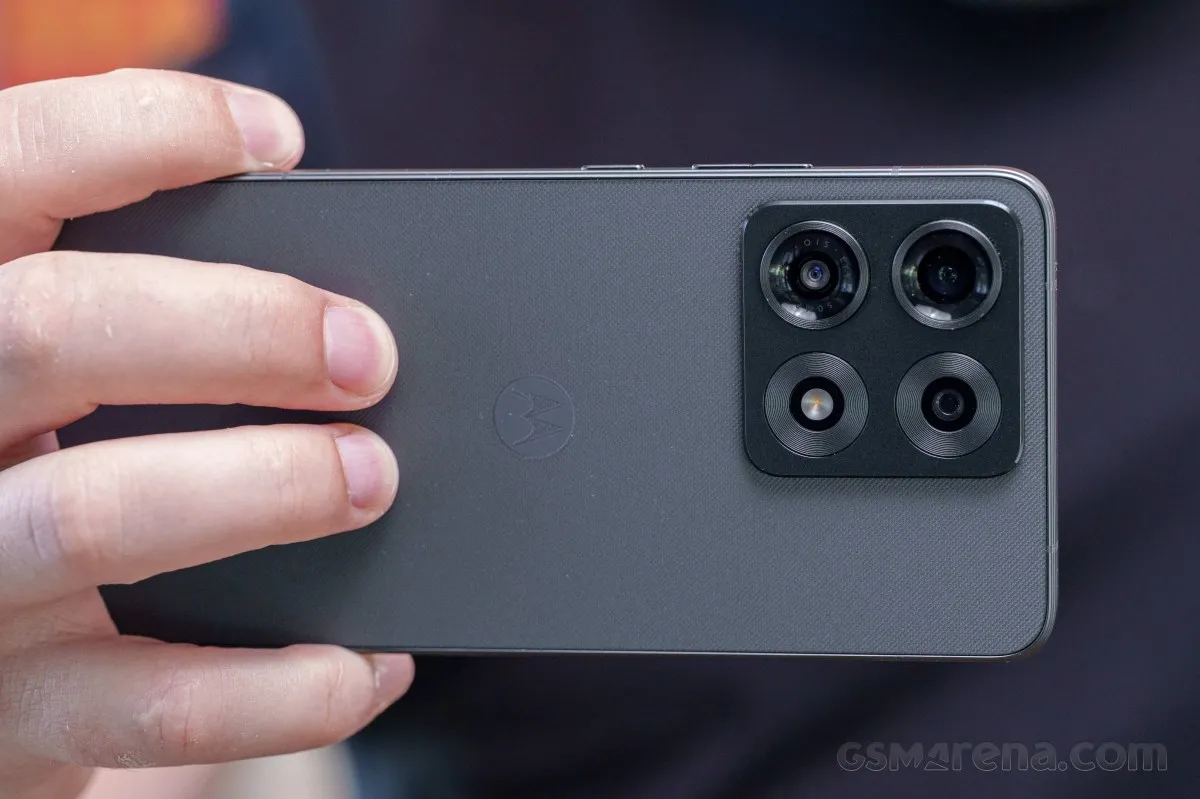
The main camera on the back is shared with the Edge 70 Pro, and it's based on the Sony Lytia 710 sensor. It's nothing overly fancy, but it's not half bad either.
For the ultrawide, Motorola went with an 8MP sensor, which is hardly exciting. At least they fitted a module with an AF capability - so it's not the absolute most basic 8MP ultrawide.
The front-facing camera uses a GalaxyCore sensor with a 32MP nominal resolution for 8MP binned selfies. This one is missing AF, though in fairness it probably would have been too much to ask for.
- Wide (main): 50MP Sony Lytia 710 (IMX 917, 1/1.56", 1.0µm-2.0µm); 24mm, f/1.8, OIS, PDAF(8.5cm - ∞); 4K60 video recording.
- Ultrawide: 8MP OmniVision OV08F (1/4.0", 1.12µm); 13mm, f/2.2, PDAF; 4K30.
- Front camera: 32MP GalaxyCore GC32E1 (1/3.1", 0.7µm-1.4µm); 22mm, f/2.2, fixed focus; 4K30/1080p60.
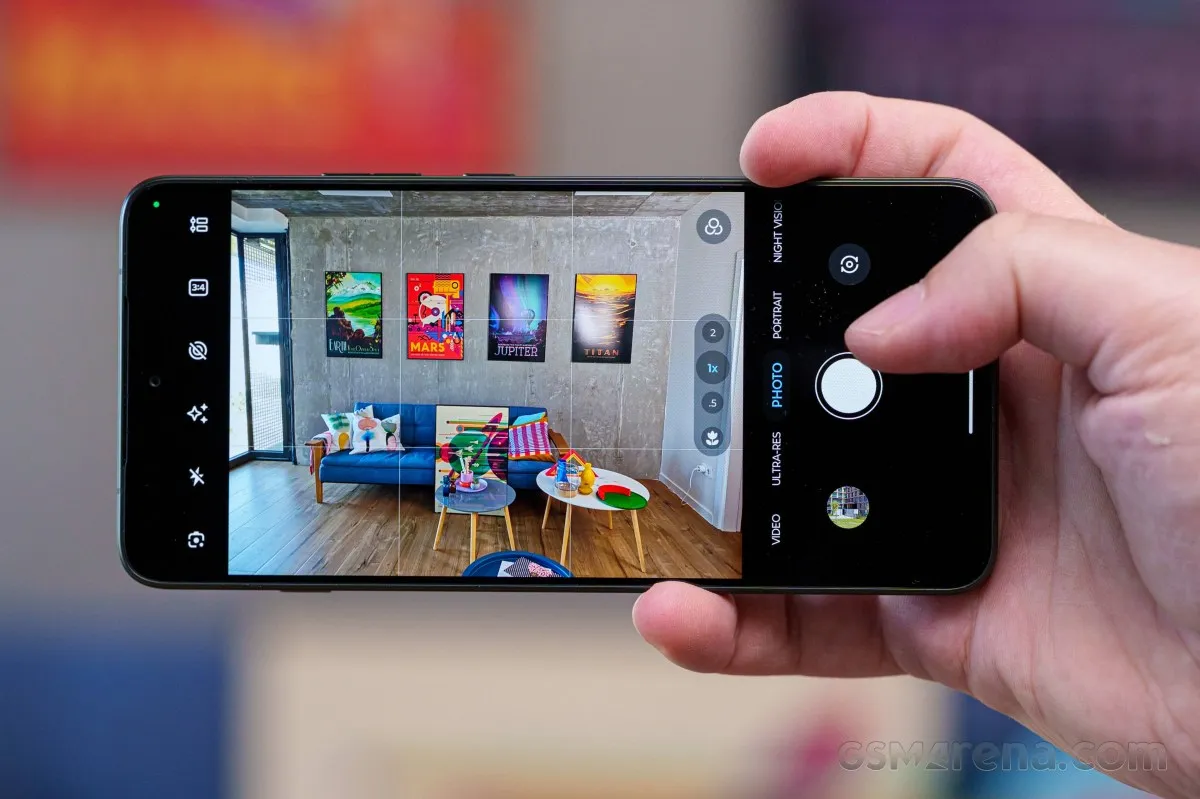
Daylight photo quality
Main camera
The Edge 70 Max's main camera captures good daytime shots overall. They are sharp and detailed, but the detail can have a bit of a questionable quality to it, with a heavily sharpened, gritty rendition of greenery - it's not bad, it's just... a little weird. Exposures run a touch on the bright side, and dynamic range is alright, but not particularly wide - again, it's a case of 'not bad, just not particularly great either'. White balance is hard to fault though, and colors are looking good.








Portraits have lively skin tones, and while they do show a bit of that grittiness in facial detail, it's not a bad look. The conservative bokeh effect looks pretty great too.








Full-res photos look even brighter than the binned ones, with almost washed-out shadows, particularly in outdoor scenes. We wouldn't say you can extract a whole lot of extra detail from them either.




2x photos are actually pretty good - there's plenty of detail, which may not be rendered in the most natural way, but it's not too processed-looking either. Some areas of relatively uniform color, mostly in the highlight region, can look soft and flattened though.








2x headshots are very good, we dare say. Detail looks nice; the portrait mode bokeh is on point.








Ultrawide camera
The ultrawide photos are decent for a low-mid-tier device, though perhaps not quite competitive at the price Motorola is asking. Either way, they have very good detail, considering the 8MP resolution; dynamic range is alright, and colors look good. The AF capability is most welcome too, ensuring you can get nearby subjects in sharp focus.








Close-ups
That autofocusing ultrawide comes in handy for the Edge 70 Max's macro mode, which gets you a 20mm-equivalent crop from the otherwise 13-ish mm ultrawide camera. The photos aren't exactly pin-sharp, but they're decent.




Still, we'd rather shoot our close-ups at 2x on the main camera at minimum focusing distance (around 8.5cm) - the reproduction ratio may be slightly smaller than what you'd get from the ultrawide's macro mode, but the quality is higher and you get to be at a more sensible distance from your subject.




Selfies
Selfies from the Edge 70 Max are pretty great. They have a bit of a heavily sharpened detail rendition, but it's still very good detail. Colors are excellent, dynamic range is wide, low-light results are also unusually nice.








Low-light photo quality
Main camera
The Edge 70 Max's low-light photos at 1x are very good. The tendency for slightly brighter exposures works well for nighttime shooting, delivering easily likable shots with well-developed shadows, which doesn't really happen at the expense of highlight preservation - the phone balances those out nicely. Detail is rendered well, the sharpening levels being quite reasonable, particularly so for a non-flagship camera. The auto white balance shows no unhealthy leanings and saturation looks pretty well judged to our eyes. The dedicated Night Vision mode didn't produce any meaningful differences - the full auto does what it needs to when it needs to.








The 2x zoom photos are noticeably softer and have more liberal sharpening at play, though we still find them quite decent.








Ultrawide camera
The ultrawide's low-light photos are decent, all things considered. Shadows are relatively soft, yes, and there can be the occasional white balance misstep (that third sample is way off). That said, dynamic range is good, colors are generally pleasing, and detail is alright when there's at least some light to work with. Not class-leading performance or anything, but acceptable nonetheless.








Photo quality verdict
The Edge 70 Max's camera system is relatively lacksluster - the price tag doesn't sit well with an 8MP ultrawide and the lack of a telephoto camera. Still, within the limitations of the hardware on board, the phone does quite well - main camera results are very good in daytime and at night, and 2x zoom isn't half bad either. The ultrawide does well during the day and is also usable at night, plus it has autofocus, though it does still feel like a compromise. Selfies, meanwhile, are praiseworthy, even at night.
Video quality
The Edge 70 Max can record video up to 4K60 on its main camera, while the ultrawide maxes out at 4K30. The selfie camera can do 4K30 or 1080p60 if you'd be willing to trade resolution for frame rate. You can enable the h.265 (HEVC) codec in settings (otherwise the default is h.264), and you can also shoot in HDR10+. There's always-on video stabilization and there's also the Horizon lock mode, which locks you into 1080p30 on the ultrawide. There's no Pro video mode or other fancy capabilities, though.
You can hit '> play' below and use the '>| next' button to advance through the playlist of all video samples, or you can watch the full playlist on YouTube.
Main camera videos are alright, but they do have their flaws. They're needlessly contrasty and have somewhat limited dynamic range, which gives them a bit of a lower-end overall look. Colors are good, even if a little conservative with saturation. Detail is about average. The 2x zoom level clips are on the soft side.
The ultrawide does its own thing in video recording, capturing warmer and more saturated colors alongside a way more sensible tone curve compared to the main camera - it's a better overall look, we reckon. Detail is also just about average.

In the dark, the main camera does an okay job - it manages to hold on to some detail, and you get good shadow development, though highlights are harsher than usual. The ultrawide, on the other hand, is more or less unusable.



Stabilization proved excellent in our experience. We got stable results with smooth pans when shooting from a stationary position. Walking shake was also ironed out well on the main camera.
Video quality verdict
The Edge 70 Max's video recording feature set is fairly limited, the highlight being the HDR10+ support and the main camera's 4K60 capability. That main camera doesn't exactly shine in good light, though it does maintain a decent level of quality at night. The ultrawide, in contrast, is pretty good in daytime and barely usable in the dark.
Alternatives, pros and cons, verdict
Competition
The Motorola Edge 70 Max is currently going for about €600 for its single 8GB/256GB memory configuration, and at that price, you will find plenty of alternatives.
For instance, the recently released Xiaomi 17T Pro and the Honor 600 Pro are just a few dozen bucks more expensive but appear to be more capable all-rounders. They have proper camera hardware with telephoto shooters, more powerful chipsets and offer longer battery life with a small caveat. The Honor 600 Pro comes with a smaller battery in Europe, so only the 7,000 mAh version outside of the Old Continent will likely outperform the Moto, but we haven't had the chance to put that to the test, so we can only assume. The Xiaomi is also slightly better in the display department, bagging the Dolby Vision standard.
But in case you are not that interested in paying a little extra for the cameras, the Poco X8 Pro Max is a solid alternative at a much lower price. However, aside from the ever so slightly slower chipset, the Poco X8 Pro Max excels in pretty much every other department. It's faster to charge, it has a nicer display with Dolby Vision, and it outruns the Moto in our charging tests by a few percentage points. Overall, it brings better value to the table at a lower cost.
Last but not least, if you are willing to sacrifice a bit of performance but are still looking for a Motorola phone, you can also consider the Edge 70 Pro. It's significantly cheaper, but packs more serious camera hardware and gets close to the Max in terms of battery life while remaining slimmer and lighter. Its chipset, however, is not at the same performance level as the Edge 70 Max's.
Verdict
At first glance, the Motorola Edge 70 Max seems like a maxed-out model in the Edge 70 family. You get a large OLED screen, great performance, excellent battery life and competitive fast charging, along with support for magnetic wireless charging.
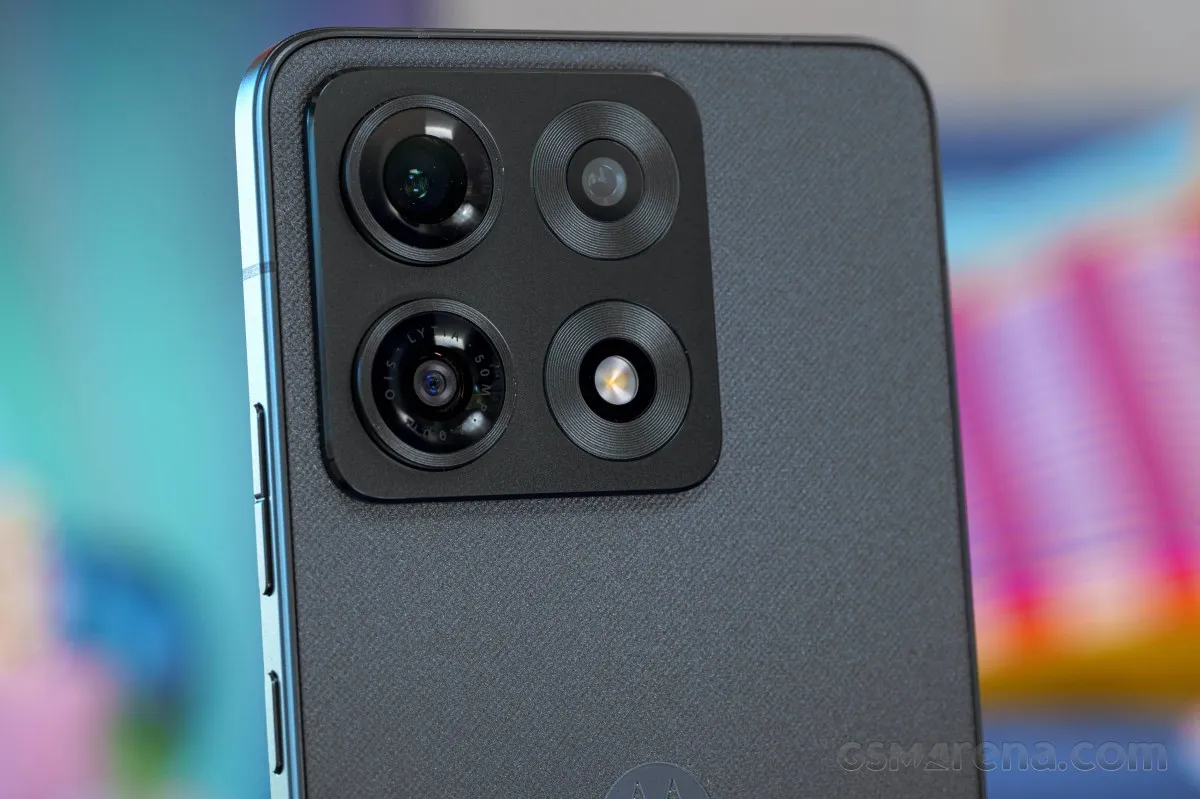
However, the suboptimal camera experience is hard to ignore, especially when it's not difficult to find alternatives with better cameras across various price points. You could argue that Motorola focused on performance instead, but there are equally fast or even faster phones available at this price.
In the end, the Edge 70 Max left us with mixed feelings. We'd be happy to recommend it to prospective buyers, just not at its current price. Once the price inevitably comes down, it will make a much stronger case for itself.
Pros
- Sturdy metal and glass design with IP68/IP69 ingress protection.
- Bright 144Hz LTPO OLED display.
- Solid battery life with support for Qi2.2 magnetic wireless charging.
- Selfies are pretty nice.
- Clean-ish Android experience from Hello UI with advanced connectivity features.
Cons
- Somewhat heavy.
- No dedicated telephoto camera.
- Ultrawide camera is relatively basic.
- Just a single storage tier available - 256GB.